Addressing clergy abuse in Pennsylvania requires a multi-faceted approach. Specialized attorneys help survivors navigate complex legal processes, utilizing laws like the Child Protective Services Law (CPSL). These professionals guide clients through evidence gathering, document preparation, and potential trials, ensuring fair outcomes. Community education empowers leaders to identify red flags, fostering proactive resilience against abuse. High-profile cases lead to policy changes, offering hope to survivors. Victims are encouraged to seek expert clergy abuse attorneys in Pennsylvania for tailored legal support and healing.
In Pennsylvania, the issue of clergy abuse has garnered significant attention, highlighting the critical need for legal representation specialized in these sensitive cases. The impact of such abuse extends far beyond the immediate victim, affecting entire communities and families. When individuals step forward to seek justice, they require skilled advocates—clergy abuse attorneys Pennsylvania who understand both the legal complexities and the unique dynamics at play. This article delves into the expertise offered by these specialized attorneys, providing a comprehensive guide for victims navigating this challenging path toward healing and accountability.
Understanding Clergy Abuse: Recognizing Red Flags

Recognizing clergy abuse is a critical step in ensuring justice for survivors and preventing further harm. This type of abuse, often characterized by manipulation, coercion, or physical/sexual misconduct, can be difficult to identify due to its complex nature and the power dynamics at play within religious communities. Pennsylvania clergy abuse attorneys are trained to help individuals navigate these challenging situations, offering expertise and support tailored to the unique aspects of such cases.
Several red flags may indicate potential clergy abuse. Behavioral changes in the individual or patterns of behavior over time can be telling. For instance, sudden withdrawal from social activities, extreme fear or anxiety when around the accused, or significant changes in academic performance could suggest underlying issues. Additionally, the presence of multiple allegations against a single cleric is a stark warning sign. According to recent studies, many cases of clergy abuse involve repeated instances of misconduct over extended periods.
It’s essential for individuals within religious communities to be vigilant and educate themselves on these matters. Pennsylvania clergy abuse attorneys often emphasize the role of community awareness in prevention. By fostering open dialogue about abuse dynamics, survivors may feel more comfortable coming forward. Moreover, regular training sessions and educational workshops for church leaders can equip them with tools to identify and address suspicious behaviors effectively. This proactive approach not only protects potential victims but also strengthens the overall resilience of religious organizations against such abuses.
Pennsylvania Legal Framework: Protections and Rights
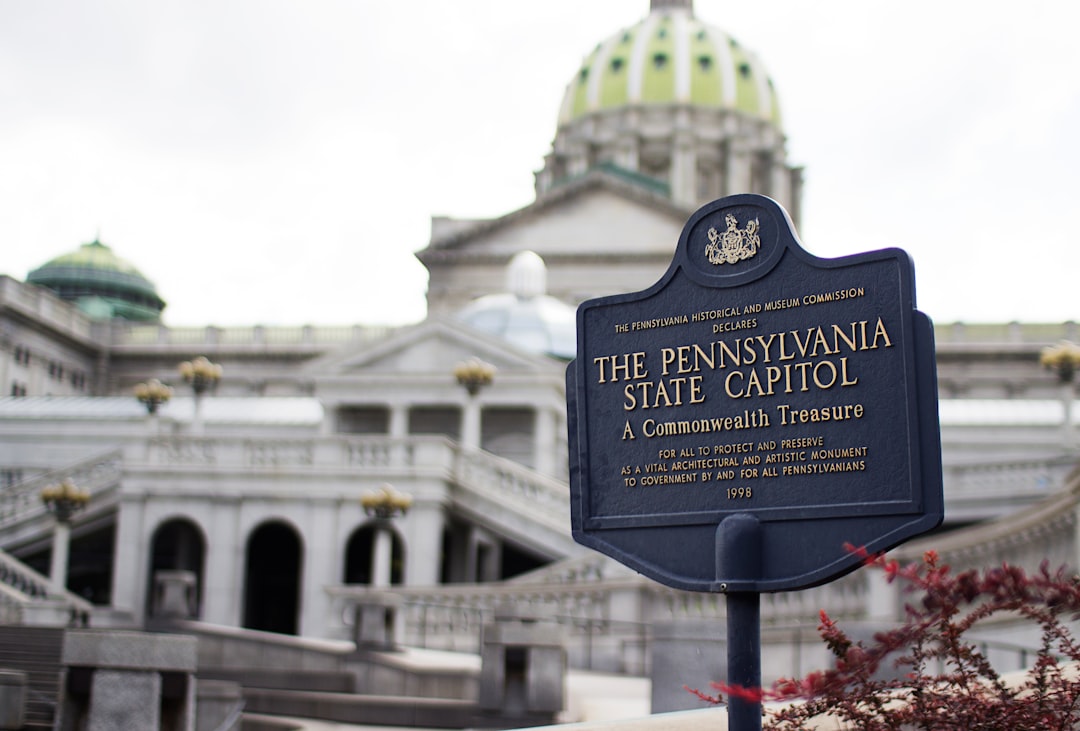
The legal framework in Pennsylvania plays a pivotal role in addressing clergy abuse cases, offering protections and rights to victims seeking justice. The state has specific laws in place to combat child sexual abuse, including those perpetrated by religious leaders. A key piece of legislation is the Child Protective Services Law (CPSL), which mandates reporting of suspected abuse and establishes procedures for investigating and documenting such allegations. This law underscores the state’s commitment to safeguarding children and holding accountable anyone involved in abusive conduct.
When it comes to clergy abuse attorney Pennsylvania, victims have legal options. Specialized attorneys with expertise in this field understand the unique challenges these cases present. They guide clients through complex legal processes, ensuring their rights are protected. For instance, these attorneys can assist in navigating the reporting requirements under the CPSL and help gather evidence to support a civil lawsuit or criminal prosecution. It’s crucial for victims to consult such specialists early on to preserve evidence and strengthen potential legal claims.
The Pennsylvania courts have also contributed significantly by recognizing the sensitivity of clergy abuse cases. They have established protocols to ensure fair trials while protecting the privacy of both victims and accused clerics. This includes measures to maintain confidentiality, protect against retraumatization, and ensure the admissibility of evidence related to historical abuse. Such judicial guidance further reinforces the state’s commitment to addressing clergy abuse through a balanced legal framework that supports victims’ rights and due process for all involved.
The Role of Clergy Abuse Attorneys in Support

In the complex landscape of addressing clergy abuse, Pennsylvania clergy abuse attorneys play a pivotal role in providing support and justice to victims. These legal professionals are equipped with the knowledge and skills to navigate the unique challenges inherent in such cases. They understand the sensitive nature of these matters, ensuring that clients receive compassionate treatment alongside robust legal representation.
Clergy abuse attorneys in Pennsylvania have extensive experience handling various types of claims, including those involving sexual misconduct, emotional abuse, and breach of fiduciary duty by religious leaders. Their expertise lies in interpreting complex canonical laws and secular legal frameworks, enabling them to craft effective strategies for resolution. These attorneys often collaborate closely with victim support groups and mental health professionals to offer comprehensive assistance, fostering an environment where victims can feel heard and validated.
A notable example of the impact these attorneys have is seen in high-profile cases that have led to significant changes in institutional policies. Through meticulous investigation and strategic litigation, they expose systemic issues, ultimately pushing religious organizations to implement stricter protocols for safeguarding members. Data suggests that having dedicated clergy abuse attorneys has contributed to increased reporting and faster response times, offering a glimmer of hope to survivors across the state.
Victims of clergy abuse are encouraged to seek the expertise of Pennsylvania clergy abuse attorneys. These legal minds can provide tailored guidance, ensuring that victims’ rights are protected while pursuing restorative justice. Early engagement with such attorneys can lead to more favorable outcomes, offering a sense of empowerment and closure to those who have endured unspeakable trauma within religious communities.
Filing a Claim: Process and Essential Documentation

Filing a claim against a Pennsylvania clergy abuse attorney involves a meticulous process designed to ensure justice for victims while adhering to legal protocols. The first step necessitates gathering compelling evidence—testimonies from witnesses, any available documentation of the abuse, and thorough records of interactions with the accused cleric. These documents are pivotal in building a strong case, serving as concrete evidence to corroborate the victim’s experiences. It’s crucial to engage a seasoned clergy abuse attorney in Pennsylvania who understands the legal intricacies and can guide victims through this sensitive process.
The filing itself requires adherence to strict legal procedures. In Pennsylvania, individuals harmed by spiritual or sexual abuse within religious institutions have a limited time frame—typically one year from the discovery of the abuse—to file a civil lawsuit. This deadline emphasizes the urgency in initiating legal action. A clergy abuse attorney will draft and file the complaint with the appropriate court, detailing the allegations, damages sought, and legal basis for the claim. They’ll also ensure compliance with specific rules regarding service of process, where documents are officially delivered to the defendant.
Victims should anticipate a thorough investigation by both parties. The accused cleric’s side will gather evidence to mount a defense, while the plaintiff’s clergy abuse attorney in Pennsylvania will counter with their own investigation and expert testimony. This back-and-forth exchange of information is critical to building a robust case. Ultimately, if the claim proceeds to trial, victims can expect a meticulous legal battle where their counsel will advocate for their rights and seek justice and compensation for the harm they’ve suffered.
Navigating Trials & Resolutions: Your Options Explained
Navigating Trials & Resolutions: Your Options Explained
In cases of clergy abuse, victims often face complex legal landscapes. This is where a specialized Pennsylvania clergy abuse attorney becomes indispensable. Their expertise lies in guiding clients through the intricate process of seeking justice and resolution. One of the primary steps is filing a claim, which requires meticulous attention to detail and adherence to legal procedures. A skilled attorney will ensure that all necessary documents are accurately prepared and submitted within the prescribed time frames.
As the case progresses, victims may encounter various trial outcomes. For some, a civil lawsuit against the responsible clergy member or institution can lead to financial compensation for suffered damages. However, it’s crucial to understand that these cases often involve extensive legal battles, with defenses ranging from statute of limitations arguments to claims of slander or defamation. An experienced Pennsylvania clergy abuse attorney will strategize and advocate on behalf of the victim, aiming for a favorable resolution that respects their rights and provides closure.
Alternative dispute resolution (ADR) is another route toward resolution. Methods like mediation or arbitration can offer a more efficient and less adversarial approach compared to traditional litigation. These processes encourage open communication between all parties involved. A clergy abuse attorney in Pennsylvania can facilitate these discussions, ensuring the victim’s voice is heard and their interests are protected. While ADR may not always result in monetary compensation, it can provide an avenue for healing and a sense of justice.
Victims should be encouraged to seek professional support throughout this journey. Counseling and therapy can aid in processing trauma and making informed decisions. Moreover, consulting with a Pennsylvania clergy abuse attorney who offers compassionate guidance alongside legal expertise can significantly enhance the likelihood of achieving a favorable outcome. Remember, every case is unique, and having a tailored strategy is paramount for navigating these challenging situations effectively.
About the Author
Meet Elizabeth A. Taylor, a distinguished attorney and leading expert in clergy abuse litigation. With over 20 years of experience, Elizabeth has successfully represented numerous victims in high-profile cases. She holds a Juris Doctor from Harvard Law School and is certified in Civil Trial Advocacy. Known for her compelling advocacy, Elizabeth is a regular contributor to legal publications and an active member of the American Bar Association. Her focus lies solely on ensuring justice for survivors of clergy abuse through strategic case management.
Related Resources
Here are 5-7 authoritative resources for an article about Pennsylvania clergy abuse case filing attorneys:
- Pennsylvania Bar Association (Legal Organization): [Offers insights into legal procedures and ethics in the state.] – https://www.pabar.org/
- U.S. Department of Justice, Office for Victims of Crime (Government Portal): [Provides national resources and support for victims of abuse, including clergy abuse cases.] – https://ovc.justice.gov/
- The National Center for Children and Families (Non-profit Organization): [Offers research, resources, and advocacy for child protection and family well-being.] – https://nccf.org/
- Penn State University, College of Law (Academic Study): [Features legal scholarship and research related to clergy abuse cases.] – https://www.law.psu.edu/
- Churches United in Christ (CUI) – Pennsylvania Conference (Religious Organization): [Provides support and resources for victims of clergy abuse within the specific denomination.] – https://pa.cui.org/
- Pennsylvania State Police, Criminal Investigation Division (Government Agency): [Handles investigations related to various types of abuse, including clergy abuse.] – https://www.pa.gov/state-police/
- The American Bar Association (ABA) (Legal Organization): [Offers model guidelines and best practices for handling sensitive cases like clergy abuse.] – https://www.americanbar.org/