
Victims of clergy abuse in Pennsylvania face unique challenges. Key steps include understanding legal rights, navigating state laws, and consulting specialized clergy abuse attorneys. The statute of limitations allows up to 12 years to file a civil lawsuit. Survivors can pursue compensation through personal injury claims or trust litigation. Support groups, counseling services, and meticulous documentation are vital for justice and healing. Clergy abuse attorneys Pennsylvania offer tailored strategies, protect privacy, collaborate with support organizations, and advocate for victim rights.
The issue of clergy abuse has long cast a shadow over communities across Pennsylvania, impacting lives and shattering trust. Victims often face unique challenges when seeking justice, requiring specialized legal guidance. This article delves into the critical matter of securing legal rights for those affected by clergy abuse in the state. With an emphasis on understanding the complexities involved, it explores the role of clergy abuse attorneys Pennsylvania who specialize in this sensitive area. By providing expert insights and a roadmap to potential recourse, this piece aims to empower victims and offer a glimmer of hope in their pursuit of healing and justice.
Understanding Legal Rights for Victims in Pennsylvania

In Pennsylvania, victims of clergy abuse face unique challenges when seeking justice and redress. Understanding one’s legal rights is an essential step towards healing and holding accountable those who have committed such acts. The state has specific laws and protections in place to support survivors, offering various legal avenues for recourse. One crucial aspect is the statute of limitations, which allows individuals up to 12 years from the age of majority (or discovery of the abuse) to file a civil lawsuit. This period ensures that victims have an opportunity to come forward without fear of legal repercussions.
Victims may pursue compensation through personal injury claims or trust litigation if the abuse occurred within a religious organization. Clergymen and institutions can be held liable for negligence, intentional infliction of emotional distress, and other related torts. It is advisable for survivors to consult with experienced clergy abuse attorneys Pennsylvania who specialize in these complex cases. These legal professionals can guide victims through the process, ensuring their rights are protected and they receive fair compensation. For instance, a successful case could result in financial restitution, counseling services, and measures to prevent further abuse within the community.
Additionally, Pennsylvania has specific laws addressing sexual abuse within religious organizations, providing for more robust legal protections. These statutes allow for heightened standards of care and increased liability for institutions that fail to safeguard their members. Survivors may also find support through victim advocacy groups and counseling services tailored to address the unique trauma associated with clergy abuse. By combining legal expertise with compassionate support, victims can navigate this difficult journey towards justice and healing.
The Role of Clergy Abuse Attorneys in Support

In Pennsylvania, victims of clergy abuse face complex challenges when seeking justice and healing. This is where the role of clergy abuse attorneys becomes invaluable. These legal professionals are equipped to navigate the intricate web of religious institutions, state laws, and sensitive nature of such cases. Clergy abuse attorneys in Pennsylvania specialize in handling claims involving sexual misconduct by religious leaders, offering specialized knowledge and support to victims who may feel vulnerable and unsure of their rights.
The expertise of these attorneys lies in understanding the unique dynamics at play in clergy-related matters. They employ strategies tailored to address the specific concerns of victims, including privacy protection and sensitive communication. For instance, they can facilitate confidential discussions with church leaders or other relevant authorities to resolve issues discreetly while ensuring legal rights are upheld. Moreover, clergy abuse attorneys Pennsylvania often collaborate with support organizations and therapists to provide comprehensive assistance to clients, fostering an environment conducive to recovery.
Data from recent studies suggests that many cases of clergy abuse go unreported due to fear, shame, or mistrust. This is where the proactive role of these attorneys becomes crucial. They encourage victims to come forward, educate them about their legal options, and guide them through the legal process. By handling sensitive information with care and advocating for victim rights, clergy abuse attorneys Pennsylvania play a vital part in bringing justice to those affected by sexual misconduct within religious communities, ultimately contributing to a safer environment for all.
Navigating Justice: Steps for Abuse Survivors in PA
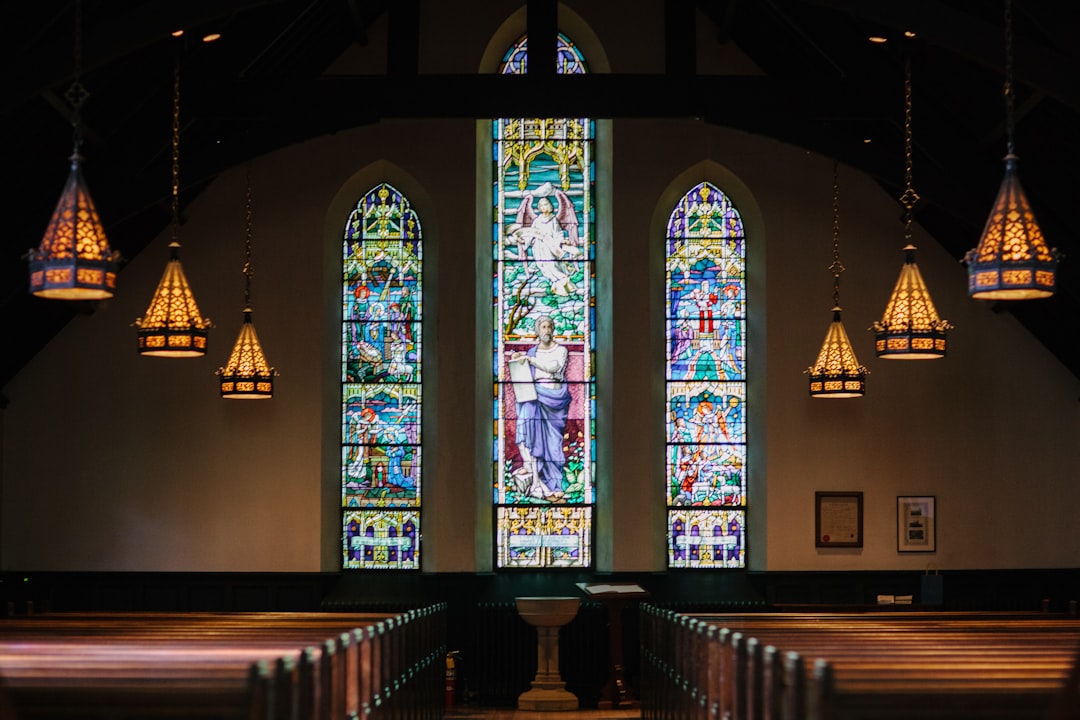
In Pennsylvania, survivors of clergy abuse face unique challenges when seeking justice due to the sensitive nature of their experiences. The first step for any survivor is to understand that they are not alone; many have faced similar situations. It’s crucial to recognize that reporting such abuse often involves navigating complex legal systems and emotional hurdles. Many survivors may feel intimidated, making it essential to seek support from clergy abuse attorneys Pennsylvania who specialize in these cases. These legal professionals can provide guidance tailored to the specific circumstances of each case, ensuring survivors understand their rights and options.
One significant aspect is the statute of limitations, which varies for different types of abuse. In PA, there is generally a five-year limit to file civil lawsuits for child sexual abuse, but exceptions exist under certain circumstances. Clerical abuse attorneys can help interpret these laws and advise survivors on whether their case is time-barred or eligible for prosecution. Additionally, they can facilitate interactions with law enforcement, local district attorneys’ offices, and relevant religious institutions, ensuring that all available avenues for justice are explored.
Support groups and counseling services are vital resources for survivors during this process. Many organizations in PA offer specialized programs to help individuals heal from clergy abuse. Combining legal assistance with therapeutic support can significantly enhance the journey towards recovery and justice. Survivors should be encouraged to document their experiences meticulously, keeping records of any communications with authorities or religious entities related to the abuse. This evidence can prove invaluable if they decide to pursue legal action or need to re-open an old case.